Common Mistakes When Buying Quartzite From Overseas Suppliers
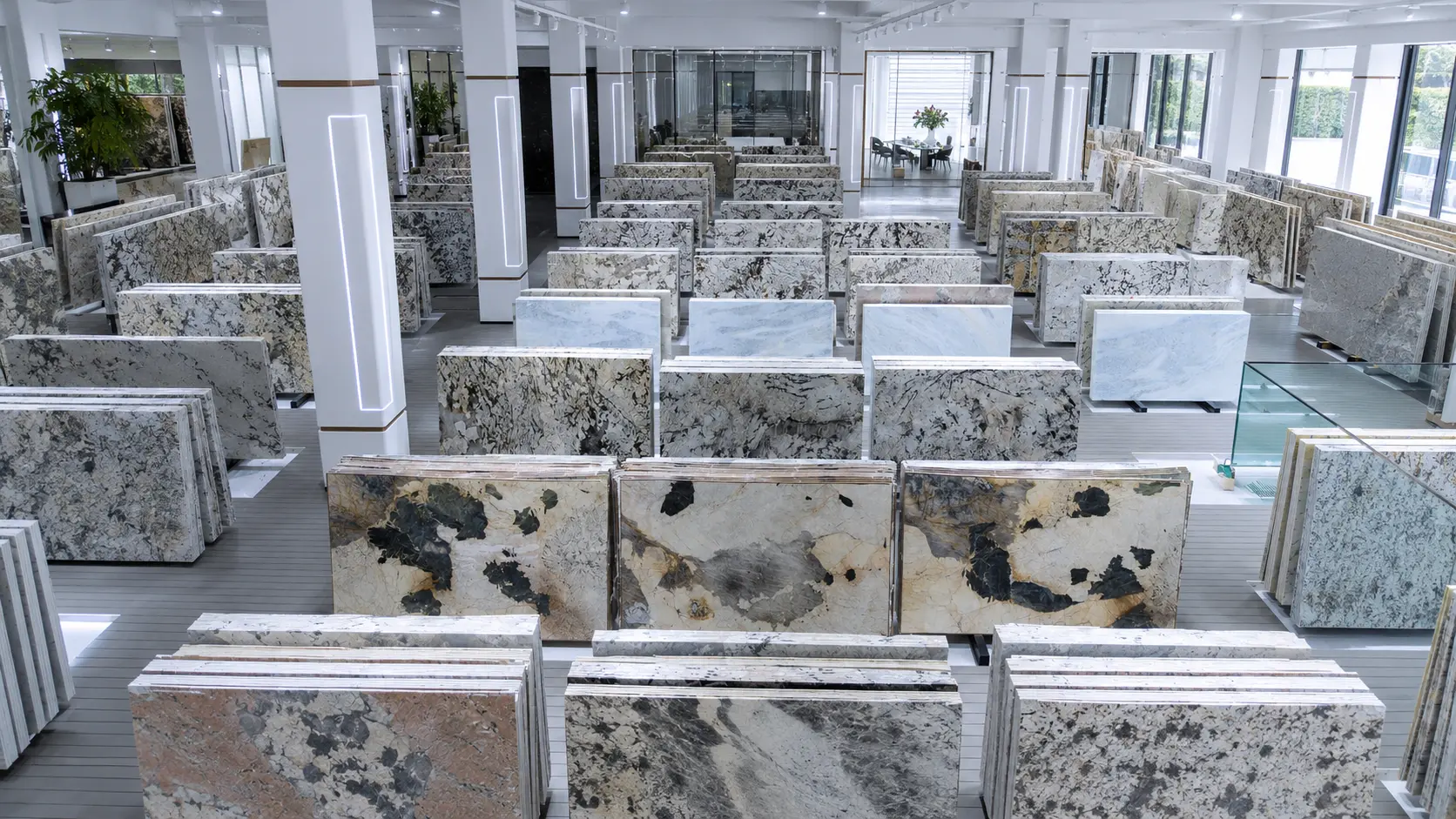
Buying quartzite from overseas suppliers can give importers, contractors, designers and project buyers access to a much wider selection of natural stone, but the purchasing process requires more control than ordering a uniform manufactured product.
Quartzite slabs are natural materials. Background colour, vein movement, crystalline areas, fissures and usable cutting zones can vary from slab to slab. Even when two bundles are sold under the same commercial stone name, they should not automatically be treated as visually identical.
For hotel, luxury retail, residential and commercial projects, the risk becomes greater because dozens of slabs may eventually be divided into countertops, wall panels, reception counters, vanity tops, islands and other custom pieces. A purchasing decision made from one attractive sample can therefore affect an entire project.
This guide explains the most common mistakes when buying quartzite from overseas suppliers and shows what buyers should confirm before approving material, fabrication and shipment. Buyers can also explore Show Stone’s wider selection of natural quartzite and other natural stone materials.
Why Buying Quartzite From Overseas Suppliers Requires More Control
Overseas quartzite purchasing usually involves several separate decisions: selecting the stone, approving the actual slabs, confirming dimensions, planning fabrication, inspecting finished pieces and organising international packing and shipment.
The buyer may be thousands of kilometres from the stone warehouse and fabrication factory. This makes documentation particularly important. Full-slab photographs, videos, digital scans, cutting layouts, inspection records and clearly numbered packing lists allow decisions to be reviewed without relying only on verbal descriptions.
For buyers who are still comparing material categories, the guide to Taj Mahal Quartzite vs marble vs quartz provides additional information about how different materials can affect project selection.
Mistake 1: Buying Quartzite From a Small Sample Only
One of the most common mistakes when buying quartzite from overseas suppliers is approving a large order from a small sample.
A sample is useful for understanding the general background colour and surface finish, but it cannot show:
- Complete slab vein movement
- Large crystalline sections
- Variation between consecutive slabs
- Natural fissures
- Resin-filled areas
- Changes in background tone
- Usable cutting dimensions
- Potential book-match or vein-match relationships
For a single small vanity, this limitation may be manageable. For a hotel reception counter or a large kitchen island, the difference between the sample and the actual slab can become much more important.
Buyers should therefore request current full-slab images or videos before final approval. For materials such as Taj Mahal Quartzite, reviewing multiple slabs together is particularly useful because the balance of cream, beige, taupe and grey movement can vary between bundles.
Our detailed Taj Mahal Quartzite buying guide explains additional considerations for this material.
Mistake 2: Assuming All Slabs With the Same Name Will Match
A commercial stone name identifies a material in the market, but it does not guarantee that every slab has the same appearance.
When buying quartzite from overseas suppliers, buyers should expect natural variation and establish what level of variation is acceptable for the project.
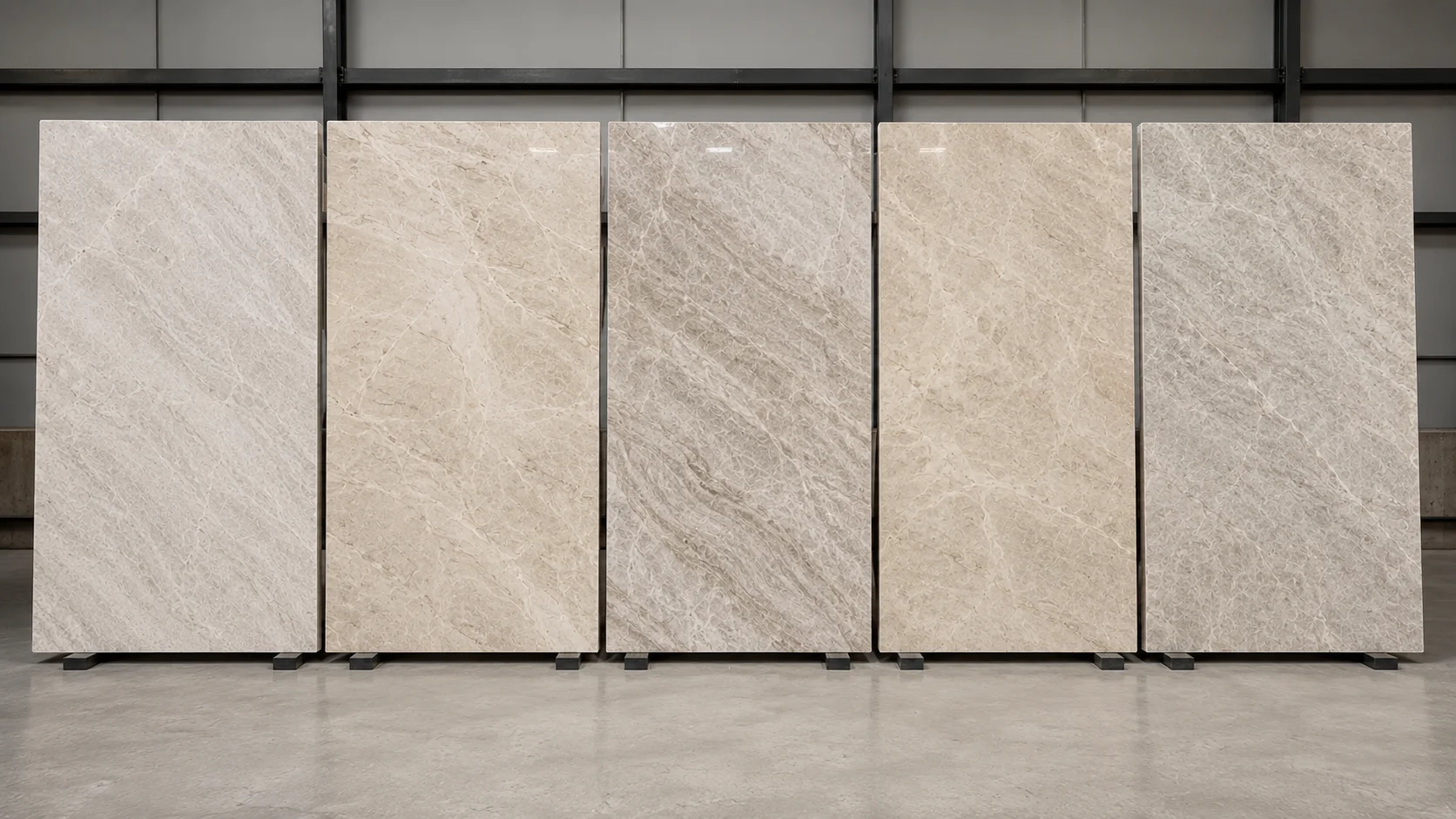
A practical batch review should consider:
- Background colour
- Warm or cool undertones
- Vein density
- Vein direction
- Dark and light areas
- Crystal distribution
- Natural mineral marks
Instead of demanding that every natural slab look identical, buyers should approve an acceptable range and ask the supplier to group compatible slabs together.
This is especially important when the material will be installed across a single open-plan space or several adjacent elevations.
Mistake 3: Not Confirming the Actual Material Classification
Stone names used in international trade are not always sufficient for technical specification. Commercial naming practices can differ between markets, so buyers should not rely on the product name alone when material classification affects the project requirement.
When necessary, ask the supplier for available technical information and clarify whether the material supplied corresponds with the properties required by the architect or contractor.
Independent industry resources such as the Natural Stone Institute can also be used as a general technical reference for natural stone selection and specification.
The important point is not to assume that two stones with similar colours or similar commercial names will necessarily behave in the same way during fabrication, installation or maintenance.
Mistake 4: Ignoring Batch and Colour Variation
Batch variation becomes a major purchasing issue when a project requires many slabs. A buyer may approve five attractive slabs and later discover that the remaining material has a noticeably different background colour.
Before ordering, ask:
- How many slabs are currently available?
- Are they from one block or multiple blocks?
- Are consecutive slabs available?
- Can the slabs be grouped by colour range?
- Can specific slabs be reserved after approval?
- Will additional material be taken from the same batch?
For large projects, slab allocation should ideally take place before cutting. Closely coordinated slabs can be assigned to high-visibility areas, while controlled natural variation can be distributed intentionally across less connected zones.
Mistake 5: Assuming Nominal Slab Size Equals Usable Cutting Area
A slab may be listed at a certain length and width, but that does not mean every square centimetre is suitable for finished fabrication.
Usable area can be affected by:
- Irregular slab edges
- Natural fissures
- Structural crystal zones
- Repairs
- Edge damage
- Mesh or resin conditions
- Required vein direction
- Large component dimensions
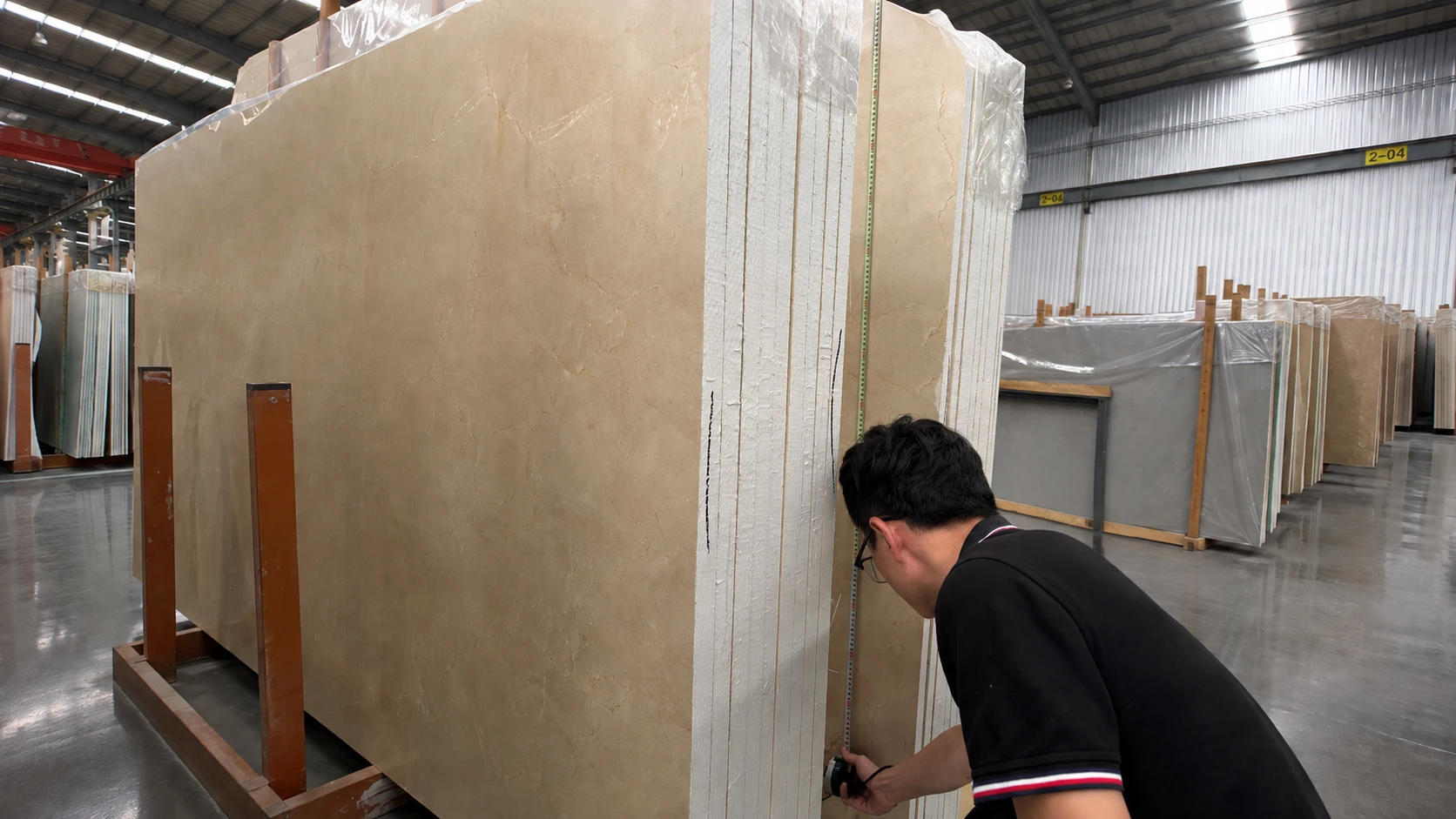
This matters when producing large islands, full-height backsplashes, wall panels or reception counters where additional seams may change the design.
Buyers should compare actual slab dimensions with the finished component schedule rather than purchasing only by total square metres.
Mistake 6: Not Confirming Thickness Before Production
Thickness affects weight, edge details, installation systems and alignment with adjacent materials.
When buying quartzite from overseas suppliers, the purchase order and drawings should clearly state the required thickness and whether the dimension refers to nominal slab thickness or final fabricated thickness.
The project may also require additional processing for:
- Mitred edges
- Laminated edges
- Grooves
- Recessed details
- Mechanical fixing systems
- Adjacent floor or wall finishes
Thickness should be confirmed before fabrication and checked again during quality inspection where required.
Mistake 7: Approving Quartzite Without High-Resolution Full-Slab Records
For remote procurement, high-resolution slab photography or digital scanning is one of the most useful ways to document what has actually been selected.
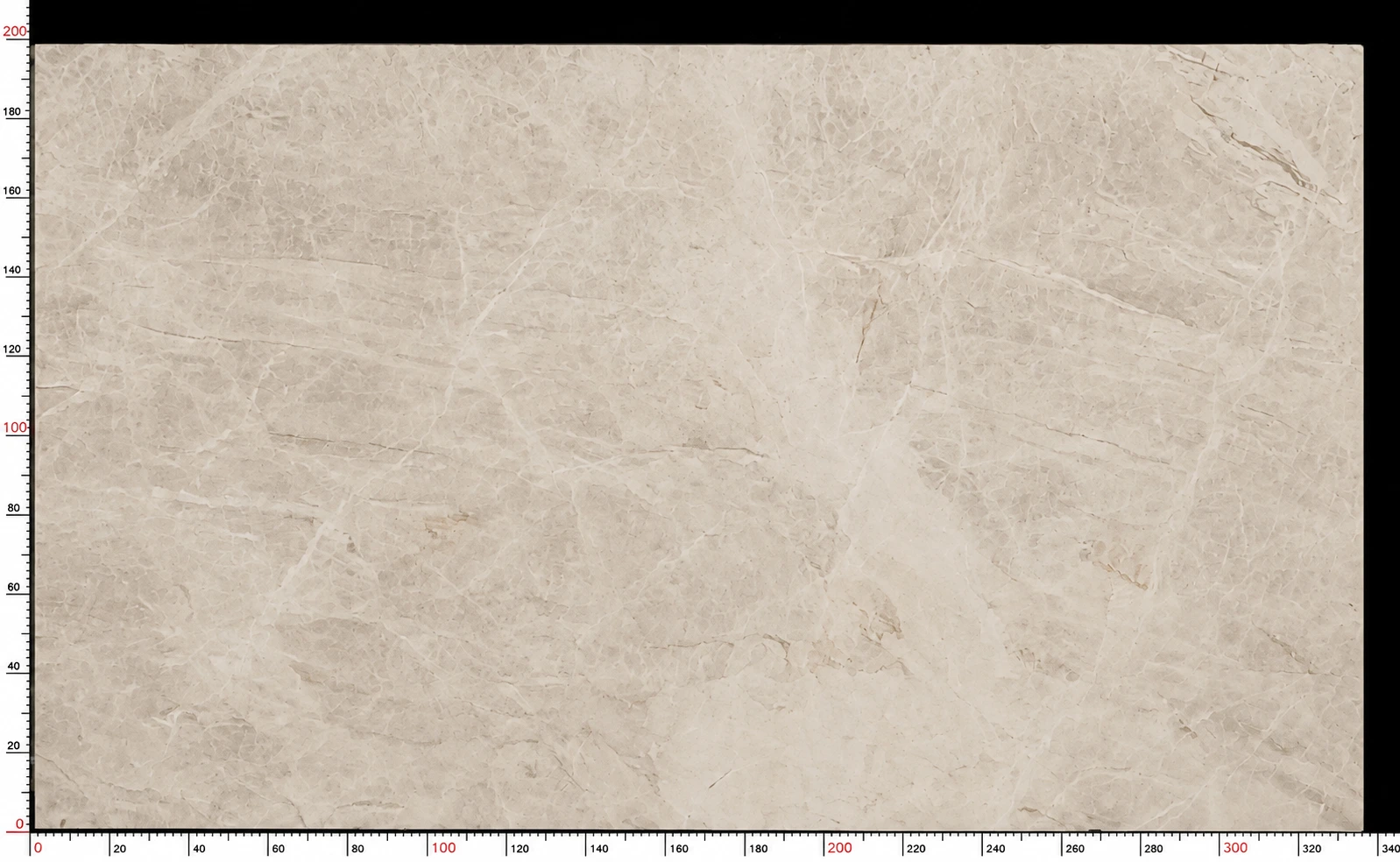
A full-slab record can help the buyer review:
- Overall slab movement
- Background tone
- Vein concentration
- Crystalline sections
- Natural fissures
- Repairs and resin areas
- Possible cutting positions
It also creates a useful reference for later cutting-layout discussions. This is significantly more informative than approving material from a cropped mobile-phone photograph of one small area.
Mistake 8: Comparing Only the Price Per Square Metre
A lower slab price does not automatically mean a lower finished project cost.
Buying quartzite from overseas suppliers should involve comparing usable yield as well as material price. A cheaper slab may create more waste if it is too small, contains unsuitable cutting zones or cannot accommodate the required vein direction.
The real project cost can also include:
- Material waste
- Additional slabs for matching
- Fabrication
- Edge processing
- Reinforcement
- Dry-lay inspection
- Export packing
- International freight
- Site handling
- Replacement risk
For custom fabrication, comparing two quotations only by slab or square-metre price can therefore be misleading.
Mistake 9: Skipping the Digital Cutting Layout
One of the most expensive mistakes can occur after the correct slabs have already been purchased: cutting them without first approving how the project components will sit on the material.
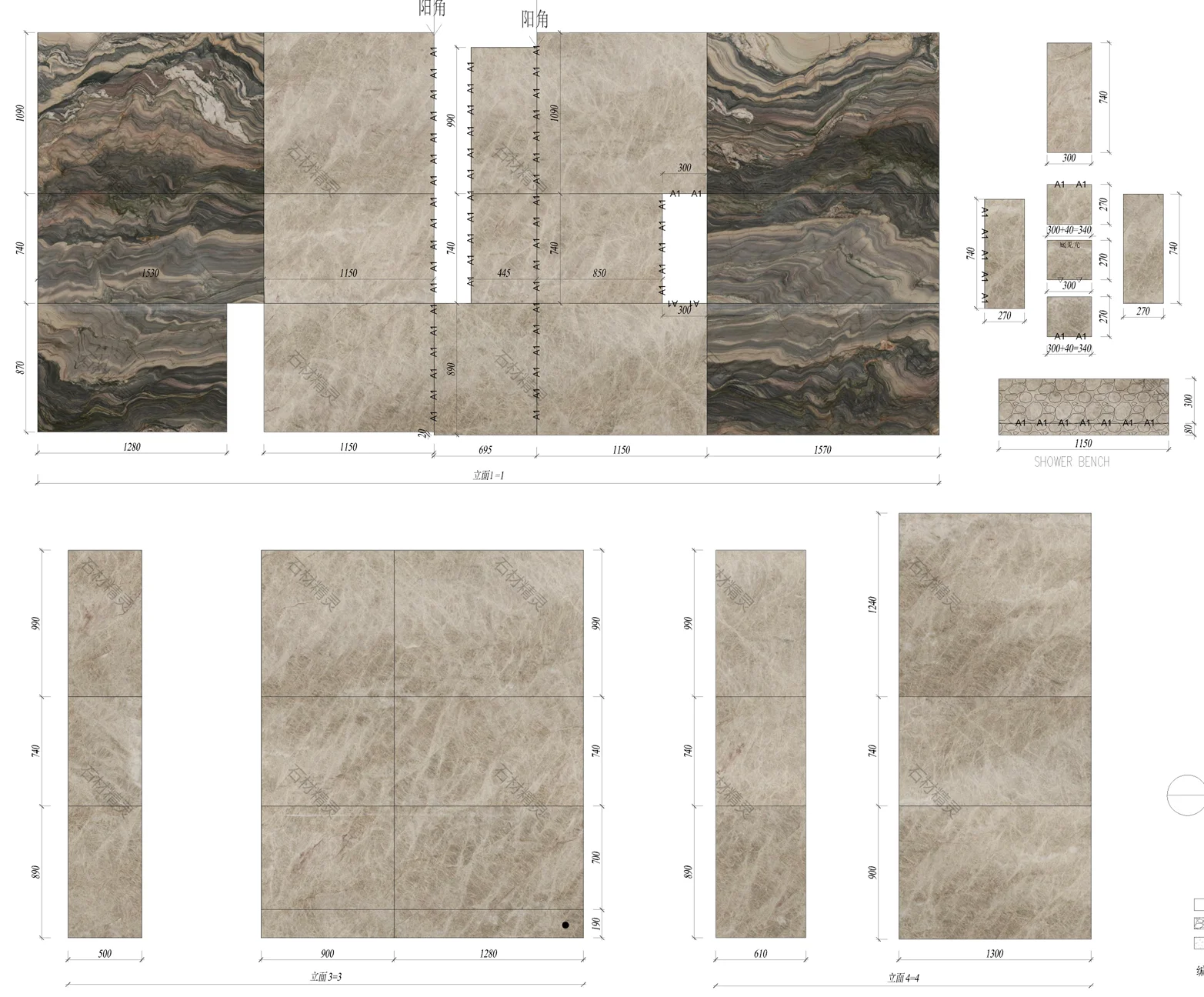
A cutting layout can show:
- Which component comes from each slab
- Countertop orientation
- Vein direction
- Waterfall connections
- Backsplash relationships
- Wall-panel sequence
- Cut-out positions
- Areas to avoid
- Expected material waste
For materials with strong movement, including Patagonia Quartzite, layout planning can significantly influence the appearance of the finished project.
Show Stone explains this process in more detail in our guide to selecting and matching natural stone slabs for large projects.
Mistake 10: Ignoring Vein Direction and Finished Component Relationships
Quartzite should not always be cut only for maximum material yield. In visible applications, orientation can be equally important.
The project team should identify whether the veins should:
- Run along a kitchen island
- Continue into a waterfall edge
- Connect with a backsplash
- Rise vertically on wall panels
- Continue between adjacent pieces
- Create a balanced feature around a central joint
A supplier can maximise slab yield by rotating individual pieces, but doing so without design approval may destroy the intended visual relationship.
The cutting plan should therefore balance appearance, usable material and fabrication efficiency.
Mistake 11: Not Reviewing Fissures, Resin, Mesh and Repairs
Natural quartzite can contain fissures, mineral transitions and areas that receive reinforcement or resin treatment during slab production. Buyers should understand what is present in the actual material rather than assuming every visible line is either a defect or purely decorative.
Before production, review areas that may affect:
- Large cut-outs
- Narrow countertop rails
- Long unsupported pieces
- Mitred edges
- Transport handling
- Highly visible surfaces
Where necessary, discuss reinforcement with the fabricator before the component is cut.
The acceptance standard should distinguish between expected natural characteristics, approved repairs and conditions that would not be suitable for the intended component.
Mistake 12: Choosing a Supplier Without Checking Fabrication and QC Capability
The selected slabs are only one part of the finished project. When the supplier is also responsible for fabrication, buyers should understand how the factory translates approved slabs and drawings into finished components.
Useful questions include:
- Can the factory scan full slabs?
- Can it prepare digital cutting layouts?
- Can it coordinate vein matching?
- What cutting equipment is available?
- Can it produce mitres and complex edges?
- Can it handle waterjet or CNC work?
- Can finished pieces be dry-laid?
- How are dimensions inspected?
- How are pieces numbered?
- What pre-shipment records are available?
The complete natural stone fabrication process for hotel and retail projects shows how slab scanning, cutting, CNC or waterjet fabrication, dry laying, QC and packing can be connected within one project workflow.
Mistake 13: Failing to Define Quality-Control Standards Before Cutting
A statement such as “good quality” is not a useful inspection standard.
Before fabrication, buyers should clarify what needs to be checked and which approved document will be used as the reference.
This may include:
- Actual slab approval
- Colour range
- Finished dimensions
- Thickness
- Surface finish
- Edge profiles
- Cut-out positions
- Vein direction
- Visible repairs
- Dry-lay arrangement
- Piece numbering
- Packing requirements
Project-specific tolerances should be confirmed from drawings and specifications rather than assumed after production is complete.
Mistake 14: Underestimating Export Packing and Logistics
Buying quartzite from overseas suppliers does not end when the finished stone passes factory inspection. The material still needs to survive handling, container loading, international transport, unloading and movement to the installation area.
Depending on the product, export packing may require:
- Strong wooden crates or frames
- Internal timber supports
- Foam protection
- Edge protection
- Separation between finished faces
- Clear crate identification
- Piece numbers
- Packing lists
- Installation-area references
Large countertops, mitred edges and narrow components may need additional protection compared with standard tiles.
Buyers should confirm packing methods before shipment rather than treating packing as an unspecified final step.
Mistake 15: Ordering No Spare Material for Future Replacement
A common project mistake is purchasing exactly enough material for the immediate installation.
Future slabs from another block or production batch may not match the original project closely enough for a visible replacement.
Additional material may be useful for:
- Installation breakage
- Site modification
- Future repairs
- Replacement countertops
- Hotel room maintenance
- Retail refurbishment
The appropriate spare quantity depends on the material, project size, cutting yield and application. It should therefore be discussed during the material-planning stage rather than after shipment.
What Buyers Should Request Before Paying a Quartzite Deposit
Before committing to buying quartzite from overseas suppliers, buyers should have enough information to understand exactly what material is being offered.
| Information to Request | Why It Matters |
|---|---|
| Current slab photographs | Confirms the actual material rather than a catalogue reference. |
| Slab quantity | Shows whether enough compatible material is available for the project. |
| Slab dimensions | Allows comparison with large countertops, walls and other components. |
| Thickness | Confirms compatibility with fabrication and installation requirements. |
| Batch or block information | Helps coordinate colour and vein variation. |
| Slab condition | Identifies relevant fissures, repairs and reinforcement before cutting. |
| Fabrication scope | Clarifies whether the quote covers slabs only or finished components. |
| QC procedure | Defines how material and fabricated pieces will be inspected. |
| Packing method | Confirms how the finished stone will be protected during export shipment. |
| Production and shipping schedule | Connects material approval and fabrication with the project programme. |
How to Compare Two Overseas Quartzite Suppliers
When quotations appear similar, buyers should compare more than the unit price.
Evaluate whether each supplier can provide:
- Actual slab inventory
- Consistent slab photography
- Batch coordination
- Clear measurements
- Digital slab scans
- Cutting layouts
- Fabrication drawings
- Vein-matching support
- Factory quality control
- Dry-lay inspection
- Piece numbering
- Export packing
- Pre-shipment photographs
For complex projects, a slightly lower raw-material price may have less value if the supplier cannot support accurate layout planning, fabrication or project documentation.
Hotels and designers evaluating quartzite alongside other materials can also review our guide to the best natural stones for luxury hotel interiors.
Buyer Checklist Before Ordering
Use this checklist before buying quartzite from overseas suppliers for a hotel, retail, residential or commercial project.
- Material Name: Confirm the stone being quoted and request current slab references.
- Actual Slabs: Review full-slab photographs, videos or digital scans.
- Available Quantity: Confirm that enough compatible slabs are available.
- Batch Range: Review background colour, vein density and acceptable variation.
- Dimensions: Confirm actual slab length, width and usable cutting area.
- Thickness: Confirm the required nominal and finished thickness.
- Slab Condition: Review important fissures, repairs, resin areas and reinforcement.
- Project Drawings: Provide component sizes before final material allocation.
- Cutting Layout: Approve component positions and material yield before cutting.
- Vein Direction: Mark the required orientation for visible pieces.
- Fabrication: Confirm edges, mitres, cut-outs, CNC and other processing requirements.
- Quality Control: Define the drawings, samples and tolerances used for inspection.
- Spare Material: Reserve suitable material for installation and future replacement.
- Packing: Confirm protection, crate labels and installation references.
- Schedule: Confirm material approval, production, inspection and shipment timing.
Frequently Asked Questions
Should I buy quartzite from an overseas supplier based on a small sample?
No. A small sample can show the general colour and finish but cannot represent full slab veining, batch variation, natural fissures, usable dimensions or the overall slab condition. Actual slab images or videos should be reviewed before approval.
Why do quartzite slabs of the same name look different?
Quartzite is a natural material, so slabs can vary in background tone, veining, mineral movement and crystalline areas. Buyers should approve an acceptable range and coordinate compatible slabs for the project.
What should I check before buying quartzite slabs overseas?
Check the actual slabs, available quantity, batch range, dimensions, thickness, slab condition, usable cutting area, fabrication requirements, quality-control process, packing method and delivery schedule.
Why is a digital slab scan useful?
A digital slab scan provides a high-resolution record of the actual material and helps buyers review full slab movement, natural features and possible cutting positions before fabrication.
Why should a cutting layout be approved before cutting quartzite?
A cutting layout shows where finished components will be positioned on the actual slabs. It helps control vein direction, seams, visual relationships, usable material and expected cutting waste.
Is the cheapest quartzite slab always the lowest-cost option?
No. The finished project cost also depends on usable slab yield, fabrication, matching requirements, cutting waste, packing, shipping and the risk of replacement or rework.
Should quartzite fissures and resin areas be checked before fabrication?
Yes. Buyers and fabricators should review relevant natural fissures, repairs, resin areas and reinforcement so sensitive sections can be considered during cutting and component planning.
How can overseas buyers control quartzite quality remotely?
Remote quality control can use slab photographs, videos, digital scans, cutting layouts, measurement records, dry-lay photographs, piece-number references and pre-shipment packing documentation.
Should I order spare quartzite for a project?
Spare material is often useful because future slabs from another block or batch may not closely match the original installation. The required quantity depends on the project size, application and cutting yield.
What information should I send a quartzite supplier before requesting a quotation?
Provide the required material, approximate quantity, slab or finished component dimensions, thickness, finish, drawings where available, matching requirements, project schedule and delivery destination.
Why Overseas Buyers Work With Show Stone
Show Stone supports importers, architects, designers, contractors and project procurement teams with natural stone sourcing, slab selection, digital planning, fabrication, quality control, export packing and international shipment coordination.
For buyers purchasing quartzite from overseas suppliers, our workflow can include:
- Current slab photography and video review
- Multi-slab batch comparison
- Colour and vein-range coordination
- Slab measurement
- High-resolution digital slab scanning
- Cutting-layout preparation
- Material-yield assessment
- Vein matching
- Custom cutting and edge processing
- Five-axis, infrared, waterjet and CNC fabrication
- Factory dry-lay inspection
- Dimensional and visual quality control
- Piece numbering
- Installation-sequence packing
- Export wooden crates
Show Stone’s approximately 10,000-square-metre finishing centre supports custom project fabrication for natural marble, quartzite, onyx and other architectural stone materials. More information about the company and factory is available on the About Show Stone page, while project services can be reviewed through our natural stone solutions.
Additional stone purchasing and specification guides are available in the Show Stone blog.
Final Recommendation
The safest approach to buying quartzite from overseas suppliers is to connect the purchasing decision with the finished project rather than treating slabs as an isolated raw material.
Before paying a deposit or approving fabrication, review the actual slabs, available quantity, colour range, dimensions, slab condition and usable cutting area. For custom work, approve digital layouts and vein direction before cutting, then define the required inspection, numbering and export packing procedures.
A transparent process gives the buyer clearer control over what is selected, how it will be fabricated and what will arrive at the project site.
To review current quartzite slabs or discuss a hotel, retail, residential or commercial stone package, please contact Show Stone with your material preferences, required dimensions, quantities, drawings, finishes, project schedule and delivery destination.