Quick Summary
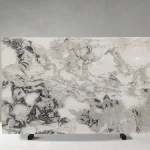
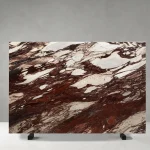
Choosing the right countertop for your kitchen or bathroom is a crucial decision. This guide offers a comprehensive, step-by-step approach to help homeowners and renovators navigate through various countertop materials such as marble, granite, quartz, and more. Key considerations include durability, aesthetics, budget, and maintenance. Additionally, this guide provides insight into popular countertop edge styles, finishes, and common mistakes to avoid, ensuring you select a countertop that fits your needs and enhances your space.
Introduction
Choosing the right countertop is one of the most important decisions when renovating or designing a kitchen or bathroom. A well-chosen countertop can transform the aesthetics and functionality of a space, while a poor choice may lead to costly repairs and maintenance in the future. This guide provides a comprehensive decision-making framework for homeowners, renovators, and designers to help them make an informed choice about countertop materials, styles, and installation processes. Whether you’re upgrading your kitchen or designing a bathroom from scratch, this guide will serve as your go-to resource.
Understanding the Different Types of Countertop Materials
When selecting a countertop, understanding the various material options is essential. Here we break down the most common materials to help you make an informed choice.
Marble Countertops
Advantages:
-
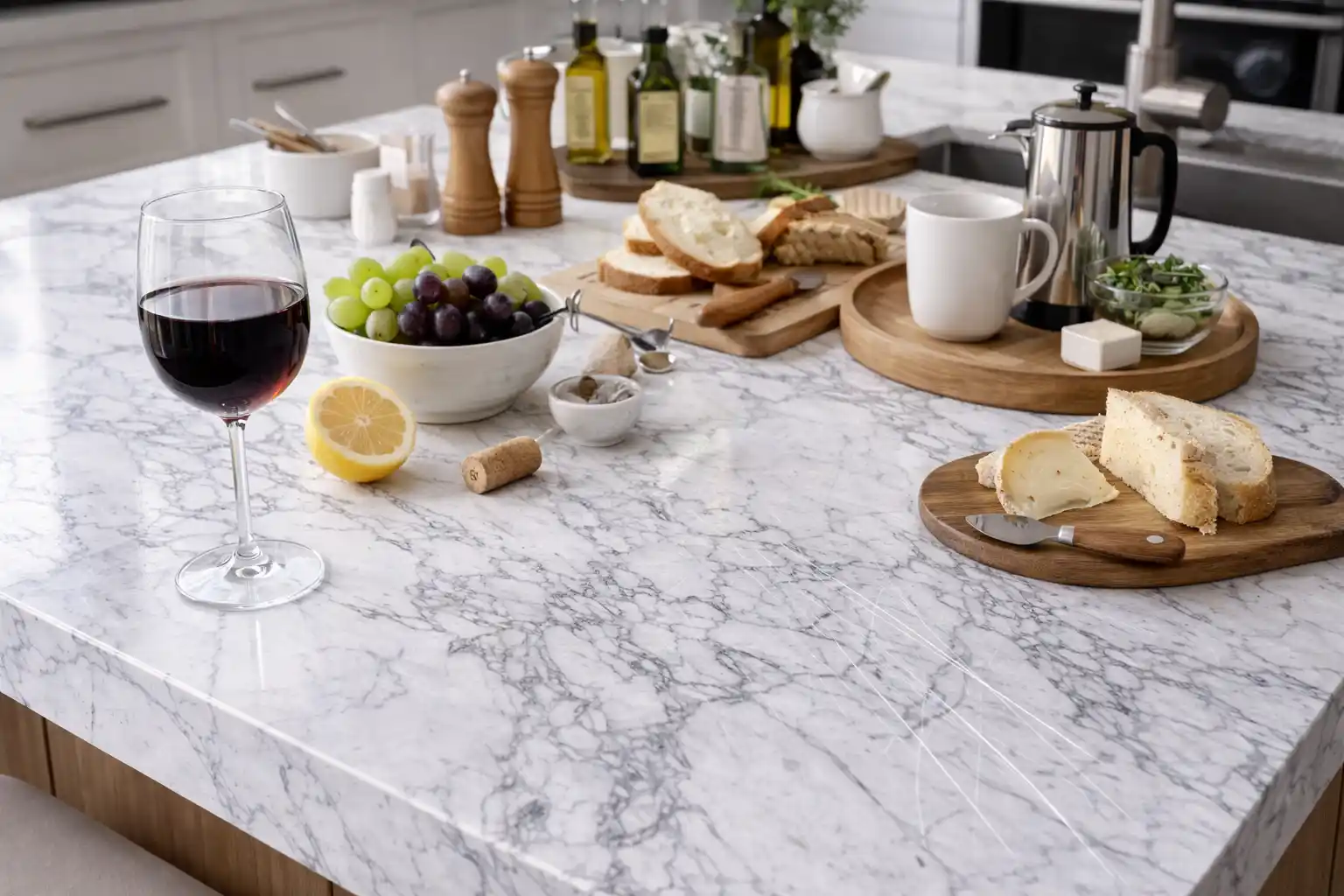
Elegant and Unique: Marble is a symbol of luxury, offering a timeless, sophisticated look with its elegant veins and natural patterns.
-
Shiny and Reflective Finish: Marble surfaces have a distinctive glossy finish, enhancing the visual appeal of kitchens and bathrooms.
Disadvantages:
-
Susceptible to Scratches and Stains: Marble is softer compared to other materials, making it more prone to scratches, and certain acidic substances (like wine and citrus) can stain the surface.
-
Requires Regular Sealing: To protect the surface, marble needs to be sealed regularly to prevent damage from moisture and stains.
Ideal Use:
Marble countertops are ideal for high-end kitchens and bathrooms where aesthetics take precedence. It is also popular in luxury homes and hotels for its beauty.
Granite Countertops
Advantages:
-
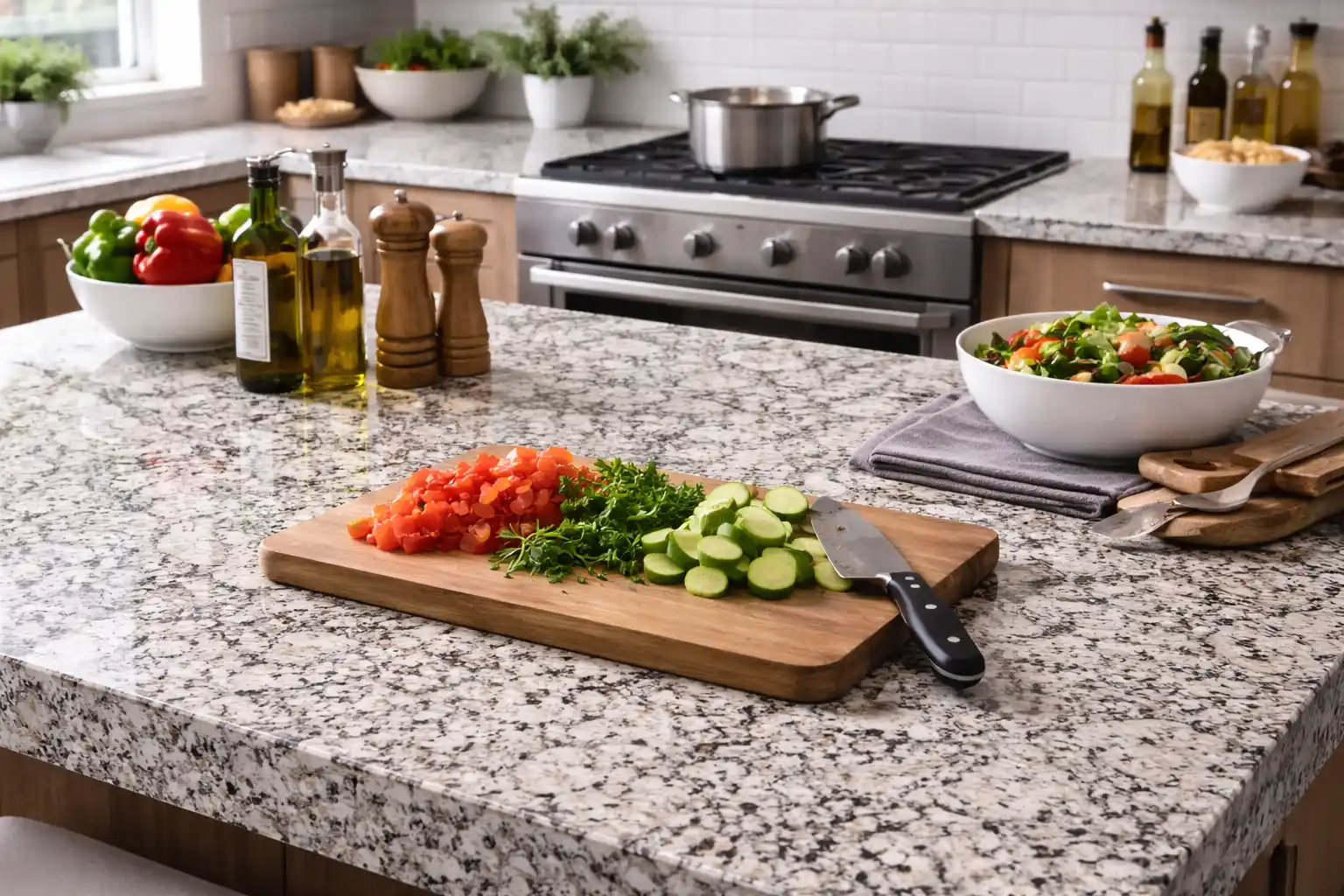
Durability: Granite is one of the toughest materials available, resistant to scratches, chips, and high temperatures.
-
Low Maintenance: With proper sealing, granite requires very little upkeep and will maintain its appearance over time.
Disadvantages:
-
Prone to Staining: Although durable, granite can absorb oils and liquids if not properly sealed, which may lead to staining.
Ideal Use:
Granite is perfect for commercial kitchens or high-traffic home kitchens. Its ability to withstand heavy use makes it a great choice for families.
Quartz Countertops
Advantages:
-
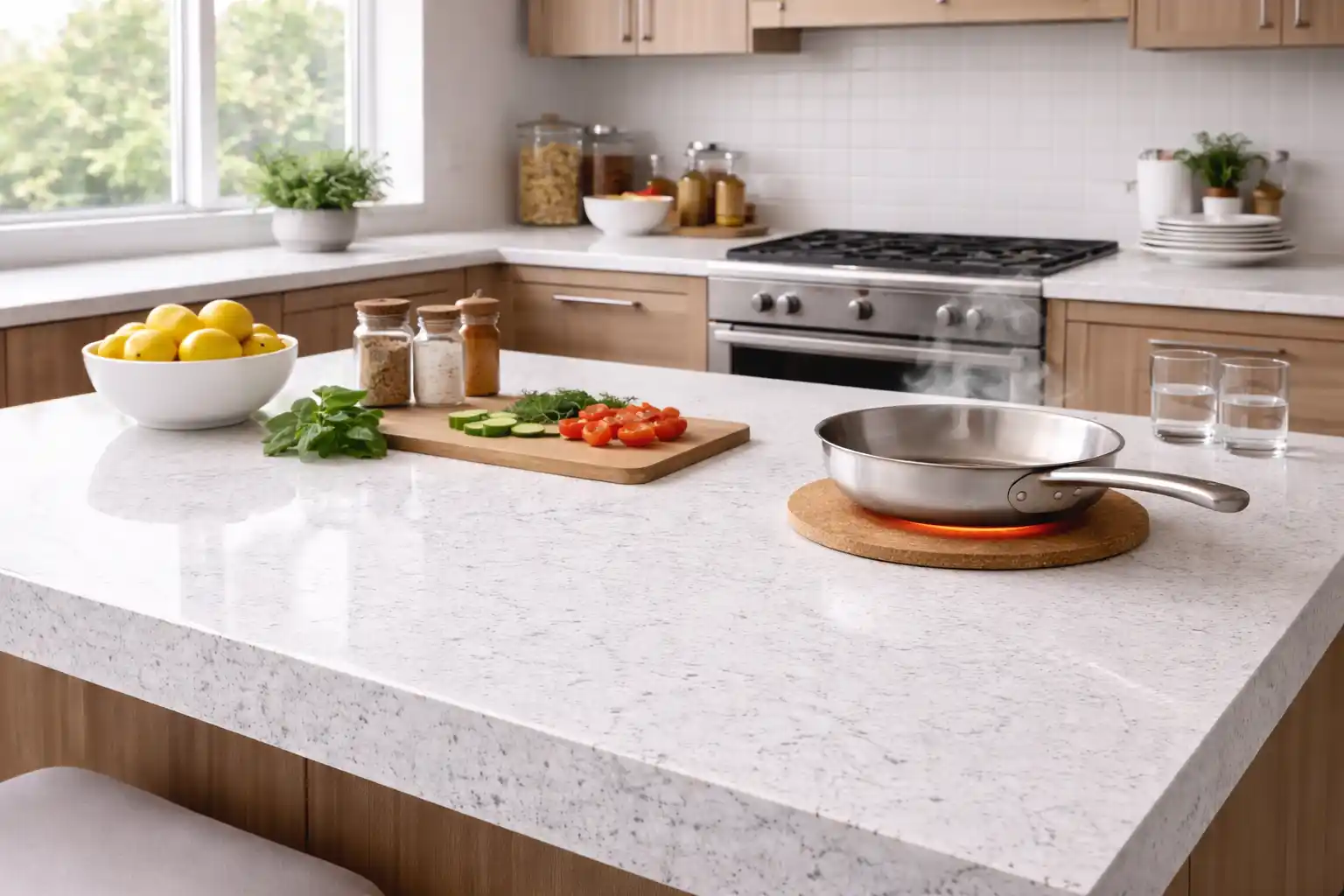
Durable and Low Maintenance: Quartz is an engineered stone, making it non-porous, scratch-resistant, and incredibly durable. It requires minimal upkeep and does not need sealing.
-
Variety of Designs: Available in an array of colors and patterns, quartz can match almost any interior design style.
Disadvantages:
-
Not Heat Resistant: While it is resistant to scratches, quartz countertops can be damaged by high temperatures, making them unsuitable for direct contact with hot pots and pans.
Ideal Use:
Quartz countertops work best in home kitchens with a modern design, where both durability and aesthetic appeal are important.
Quartzite Countertops
Advantages:
-
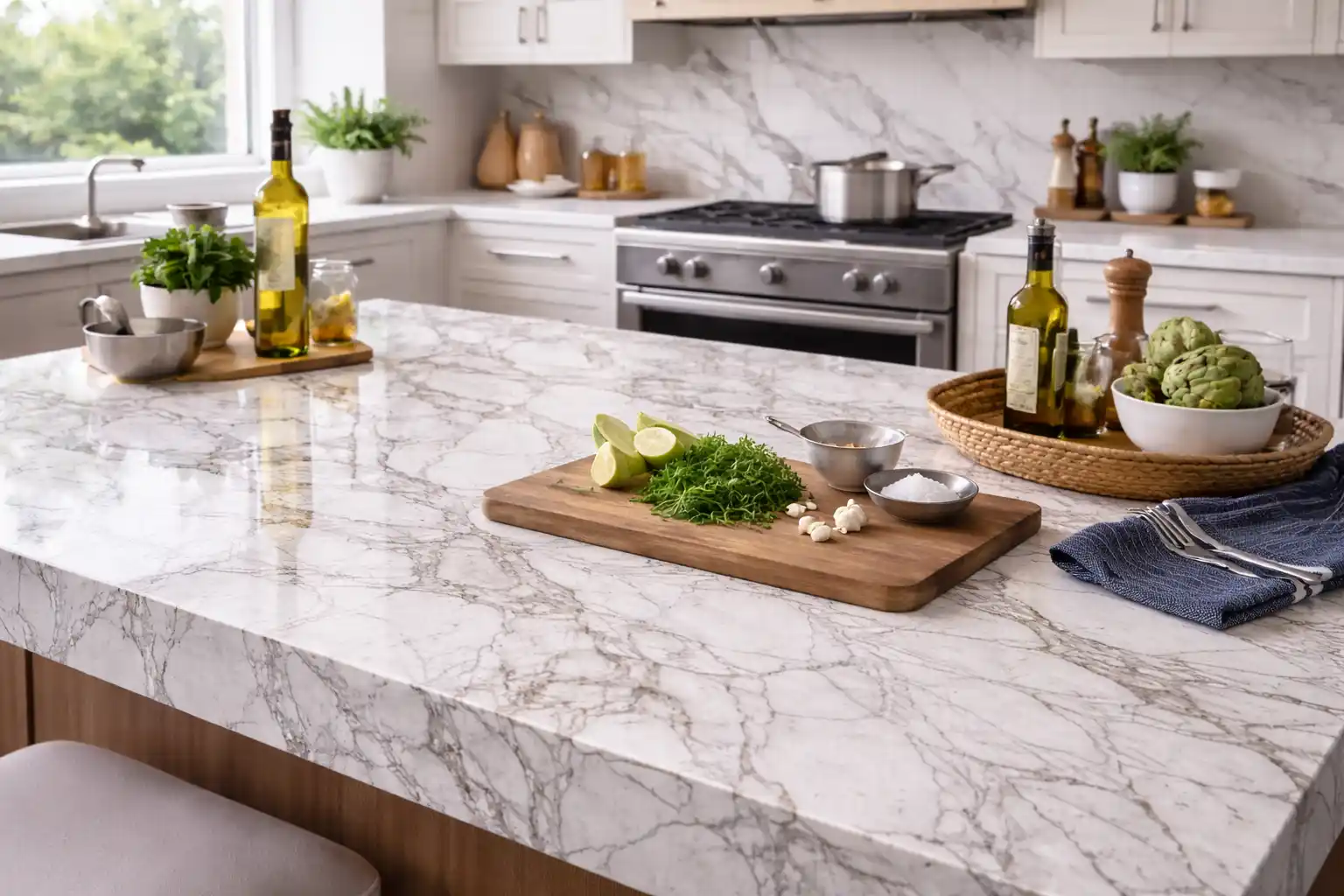
Heat Resistance: Quartzite is highly resistant to heat, making it an excellent choice for busy kitchens where high temperatures are a concern.
-
Natural Elegance: With beautiful, natural veins and patterns, quartzite provides an upscale look similar to marble but with superior durability.
Disadvantages:
-
Higher Cost: Quartzite can be more expensive than other options, and the cost may not be justifiable for everyone.
-
Requires Maintenance: Like marble, quartzite needs to be sealed periodically to maintain its durability.
Ideal Use:
This material is suited for kitchens, bathrooms, and high-end interior spaces where durability and elegance are crucial.
Key Factors to Consider When Choosing Your Countertop
Selecting the perfect countertop isn’t just about the material. Several other factors should influence your decision.
Durability and Maintenance
The durability of a countertop is perhaps the most crucial factor to consider. Some materials, like granite and quartz, are known for their exceptional durability and minimal maintenance requirements. On the other hand, materials like marble require more attention to keep their appearance intact. When selecting a countertop, think about how much maintenance you’re willing to do. If you are looking for something that can withstand heavy use with little care, granite or quartz might be the best options.
Aesthetics and Design
The color, texture, and finish of your countertop will play a significant role in the overall design of your space. A countertop should complement the cabinets, flooring, and overall design theme of your kitchen or bathroom. The finish (polished, matte, or textured) also affects the overall appearance. For instance, polished marble or granite can give a shiny and sleek look, while matte or honed finishes offer a more subtle, natural appearance.
Budget and Cost Considerations
Countertop materials vary greatly in price. While materials like granite and quartz offer good durability and low maintenance, they can come with a higher upfront cost. Marble and quartzite, while luxurious, tend to be more expensive. It’s essential to assess your budget and balance the long-term benefits of a material with its initial cost. There are also more budget-friendly options like laminate and solid surfaces, though they may not offer the same level of durability and aesthetics.
Heat and Scratch Resistance
If your kitchen sees a lot of cooking activity, you’ll want a material that can handle high temperatures. Granite, quartzite, and some engineered stones are perfect for high-heat environments. If heat resistance is a primary concern, materials like quartz should be avoided for areas around hot stoves and ovens.
Sustainability and Environmental Impact of Countertop Materials
As sustainability continues to be a key concern for homeowners and designers alike, it’s crucial to consider the environmental impact of the materials you choose for your countertop. From the sourcing of raw materials to the manufacturing process, countertops can vary in their environmental footprint.
Eco-Friendly Countertop Options
If you’re looking to make an eco-conscious choice, there are several materials to consider that minimize harm to the environment:
-
Recycled Materials: Recycled glass, recycled quartz, and even some engineered stone countertops use post-consumer and post-industrial waste. These materials help reduce landfill waste and can often be more affordable than their virgin material counterparts.
-
Bamboo and Recycled Paper: Bamboo is a rapidly renewable material, while countertops made from recycled paper and resin provide an eco-friendly alternative that’s durable and unique.
-
Sustainable Stone: Materials like reclaimed granite or marble, which are salvaged from older buildings or sources, can also reduce your environmental impact while offering the beauty of natural stone.
Environmental Considerations During Manufacturing
The process of quarrying and manufacturing stone can be highly energy-intensive. Materials like granite and marble require significant energy to extract, shape, and finish. However, newer technologies are helping mitigate these impacts with more sustainable extraction practices and waste-reduction processes.
Countertop Materials and Health Considerations
When choosing your countertop, health and safety should also be a priority. Some materials can impact indoor air quality or come with harmful chemicals that affect your well-being.
Non-Toxic Countertop Materials
Look for materials that are free from harmful chemicals, particularly volatile organic compounds (VOCs), which can be released into the air and impact air quality.
-
Natural Stone: Granite, marble, and quartzite are natural materials that don’t release harmful chemicals, making them a safer choice for your home. However, always verify if a countertop has been treated with any harmful sealants or finishes.
-
Quartz: Most engineered quartz countertops are non-toxic, but some may contain resins and polymers that emit low levels of VOCs. It’s important to choose brands that offer low-emission quartz surfaces.
VOC Emissions and Indoor Air Quality
Certain synthetic materials, such as laminate and some solid surfaces, can emit higher levels of VOCs compared to natural stones. These emissions can contribute to poor indoor air quality and have long-term health effects. Always check the certifications for low-emission products if this is a concern.
Step-by-Step Guide to Choosing the Right Countertop
This section provides a structured approach to selecting the best countertop for your space.
Step 1 – Assess Your Space and Needs
Start by evaluating the space where the countertop will be installed. Consider the size of your kitchen or bathroom and the primary function the countertop will serve. Will it be used mainly for food preparation, entertaining guests, or as a decorative focal point? Also, think about the existing design elements such as cabinetry, appliances, and wall finishes.
Step 2 – Compare Different Materials
Once you’ve assessed your space, compare the pros and cons of different materials based on your needs. For example, if durability and low maintenance are essential, granite or quartz would be ideal. If you’re looking for a high-end aesthetic and are willing to maintain it, marble or quartzite could be the best option.
Step 3 – Select the Right Size and Thickness
The size and thickness of your countertop can impact both functionality and appearance. A large kitchen island may benefit from a thicker countertop to create a statement piece, while smaller spaces may require a thinner material to avoid overwhelming the design. Measure your space and choose a size that complements your layout.
Step 4 – Consider the Installation Process
Different materials have different installation requirements. Granite and quartz require professional installation due to their weight and complexity, while lighter materials like laminate or solid surfaces can be installed more easily. Be sure to factor in installation costs and time.
Step 5 – Maintain Your Countertop
Regular maintenance is key to ensuring your countertop lasts for years to come. Be sure to follow care instructions specific to your material, whether it’s sealing your marble countertop or cleaning your quartz surface with mild soap and water.
How to Choose a Countertop for a Small Space
Selecting a countertop for a small kitchen or bathroom requires careful consideration of both space and design elements to maximize functionality without overcrowding the area.
Compact Designs
For smaller spaces, choose materials and designs that make the most of your space. Lighter-colored countertops, for example, can make a small room feel larger and brighter. Likewise, streamlined designs with fewer seams will help maintain a clean, open look.
Light-Colored Surfaces
Opting for light-colored countertops such as white, light gray, or soft pastels can visually expand a small space. These hues reflect light better and make the room feel more spacious.
Space-Saving Materials
If you have limited counter space, consider materials that are durable but not bulky. Quartz and solid surface countertops are great choices for small kitchens or bathrooms, as they are easy to maintain and don’t require heavy seams or excess space.
Popular Countertop Edges and Finishes
The edge and finish of your countertop are just as important as the material itself.
Popular Edge Styles
Common edge styles include straight edges, rounded corners, and beveled edges. Choose the edge that complements your overall design theme—whether it’s a sleek modern look with sharp corners or a softer, traditional appearance with rounded edges.
Finishing Options
Countertops can come in a variety of finishes, including polished, matte, and honed. Each finish offers a different look and feel. For example, polished finishes offer a shiny and reflective surface, while honed finishes are matte and smooth to the touch. Some materials, like granite, can also be flame-finished for a more textured appearance.
Countertop Selection Mistakes to Avoid
Making the right countertop choice requires careful consideration of both aesthetics and practicality. Avoid these common mistakes when selecting a countertop.
Choosing Based on Looks Alone
While aesthetics are important, functionality should be prioritized. Don’t choose a countertop solely for its appearance if it doesn’t fit your needs. For example, a beautiful marble countertop may not be ideal for a busy family kitchen due to its susceptibility to scratches and stains.
Overlooking Long-Term Maintenance
Countertops require maintenance, and overlooking this can lead to problems down the line. Be sure to consider how much care and upkeep the material requires before making a final decision.
Ignoring Budget Constraints
While it’s tempting to go for the most luxurious material, remember to balance cost with practicality. It’s essential to choose a material that fits within your budget and still meets your aesthetic and functional needs.
FAQs
1. What is the most durable countertop material?
Granite and quartz are two of the most durable countertop materials available. Both offer excellent resistance to scratches, stains, and heat. Granite is a natural stone that can withstand extreme temperatures, making it perfect for high-use kitchens. Quartz is engineered to be non-porous, preventing staining and ensuring longevity.
2. How do I maintain my marble countertop?
Marble countertops require regular sealing to prevent staining and etching. It’s essential to clean marble surfaces with a pH-balanced cleaner and avoid using acidic substances like vinegar or citrus. In the case of etching, use a marble restoration product or call a professional to restore its shine.
3. Can quartz countertops handle high heat?
While quartz is a durable material, it is not as heat-resistant as granite or quartzite. Direct exposure to high temperatures from hot pots and pans can cause discoloration or even damage. Always use a trivet or heat pad to protect the surface.
4. What is the most cost-effective countertop material?
Laminate countertops are the most budget-friendly option, followed by solid surfaces like Corian. Both provide decent durability and come in a wide range of colors and patterns. However, for long-term durability and low maintenance, granite and quartz are worth the investment.
5. How do I choose a countertop that matches my kitchen style?
To select the perfect countertop, consider your kitchen’s overall aesthetic, including the cabinetry and flooring. For modern spaces, quartz and solid surfaces offer sleek designs, while for a traditional or rustic kitchen, granite and marble bring warmth and character to the room.
Conclusion
Choosing the right countertop involves more than just picking a material—it requires understanding your needs, design preferences, and long-term maintenance considerations. By following this step-by-step guide, you can make an informed decision that not only enhances your space’s aesthetics but also ensures lasting performance. Ready to make your selection? Reach out to our experts today for personalized advice and options to fit your unique space and style!
Final Note: Countertop Selection Process
How do you choose the right countertop material?
Selecting the perfect countertop involves evaluating material durability, aesthetic preferences, and your functional needs. Materials like marble offer luxury and timeless beauty but require more maintenance, while granite and quartz provide higher durability with less upkeep. Quartzite offers natural elegance with superior heat resistance but comes at a higher price point. Consider your space’s usage—whether you’re looking for a stylish focal point or a highly functional surface.
Why is maintenance important?
Proper maintenance is crucial to extend the lifespan of your countertop. For example, marble countertops require regular sealing to prevent stains, whereas quartz countertops are virtually maintenance-free. The selection process should weigh your willingness to care for the surface against its long-term durability.
What are the cost considerations?
Budget plays a key role in countertop selection. High-end materials like quartzite and marble can be expensive, while granite and quartz offer a balance between price and performance. Understanding your budget constraints can help you prioritize which features matter most—whether it’s aesthetics, durability, or cost-effectiveness.
What are the trends in countertop selection?
Current trends show a growing preference for low-maintenance, durable surfaces like quartz and engineered stone. However, natural stones like granite and marble still hold their appeal for luxury designs. Customization options, such as different edge styles and finishes, allow homeowners to personalize their countertops to match their unique taste and space.
Consideration for long-term functionality
While looks are essential, don’t overlook the functionality aspect of your countertop. For example, quartz is less heat-resistant than granite, which could be a factor if your kitchen sees a lot of cooking activity. Choose a material that not only enhances the space but also meets the functional needs of your daily routines.